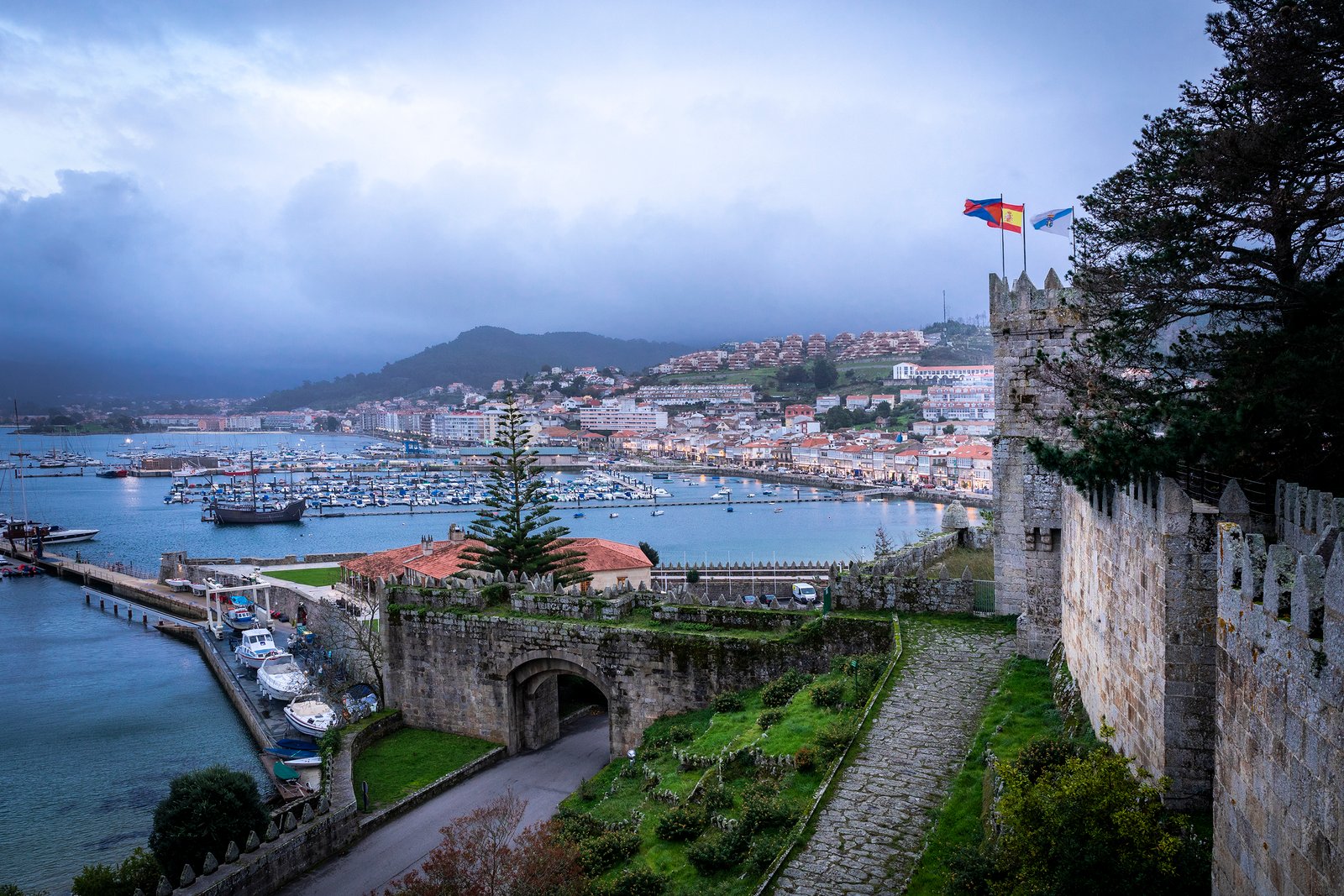
Heritage, architecture and surroundings
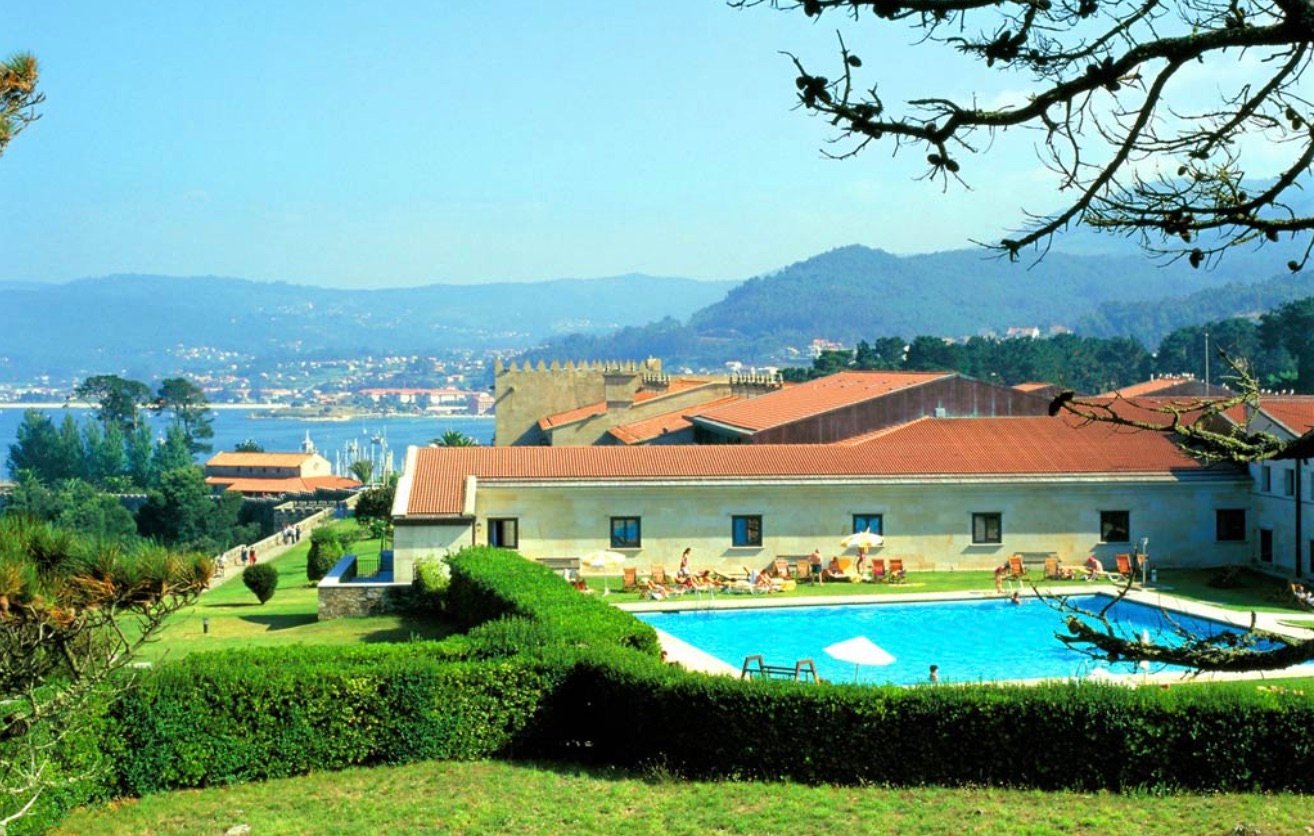
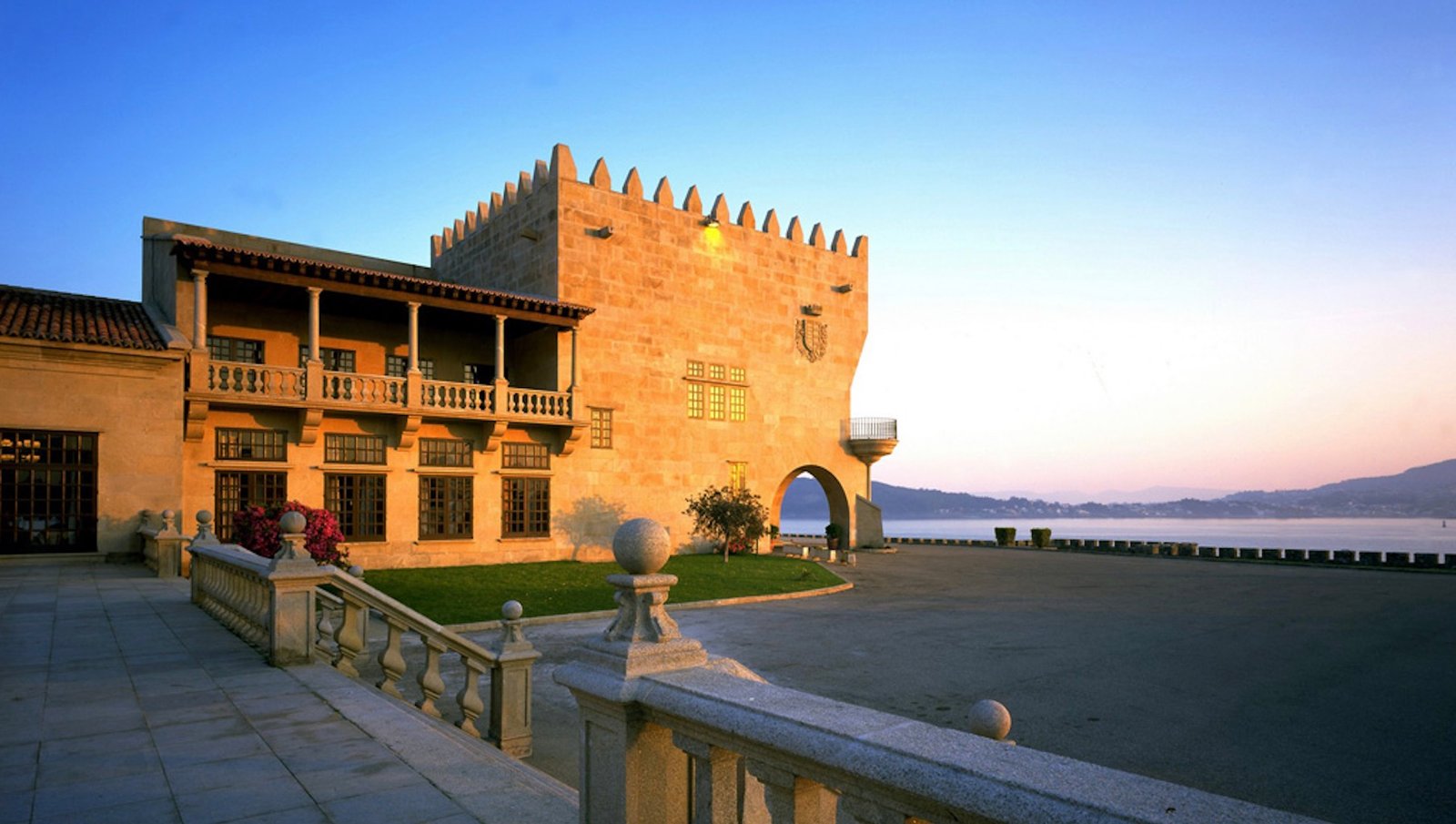
The Parador occupies the site of the fortified town founded in 1497 by the Catholic Monarchs. Its strategic position made it a key defensive point during conflicts between England and Spain — Francis Drake attacked Baiona in 1585. In the 19th century, the Marquis of the Pazo de la Merced purchased the ruins and built the Neo Gothic palace that stands today. Declared a National Monument in 1950, it was restored and transformed into a Parador between 1963 and 1966.
Baiona is a medieval fortified town dominated by the Parador’s walls. One of the best ways to explore it is on foot through the historic quarter or by bicycle along the seafront promenade. Baiona is traditionally recognised as the first European port to receive news of Columbus’s voyage to America, after La Pinta — one of the three ships in his 1492 expedition — arrived there in 1493. The town marks the event every March with the Fiesta de la Arribada, featuring markets, performances and a replica of La Pinta in the harbour.
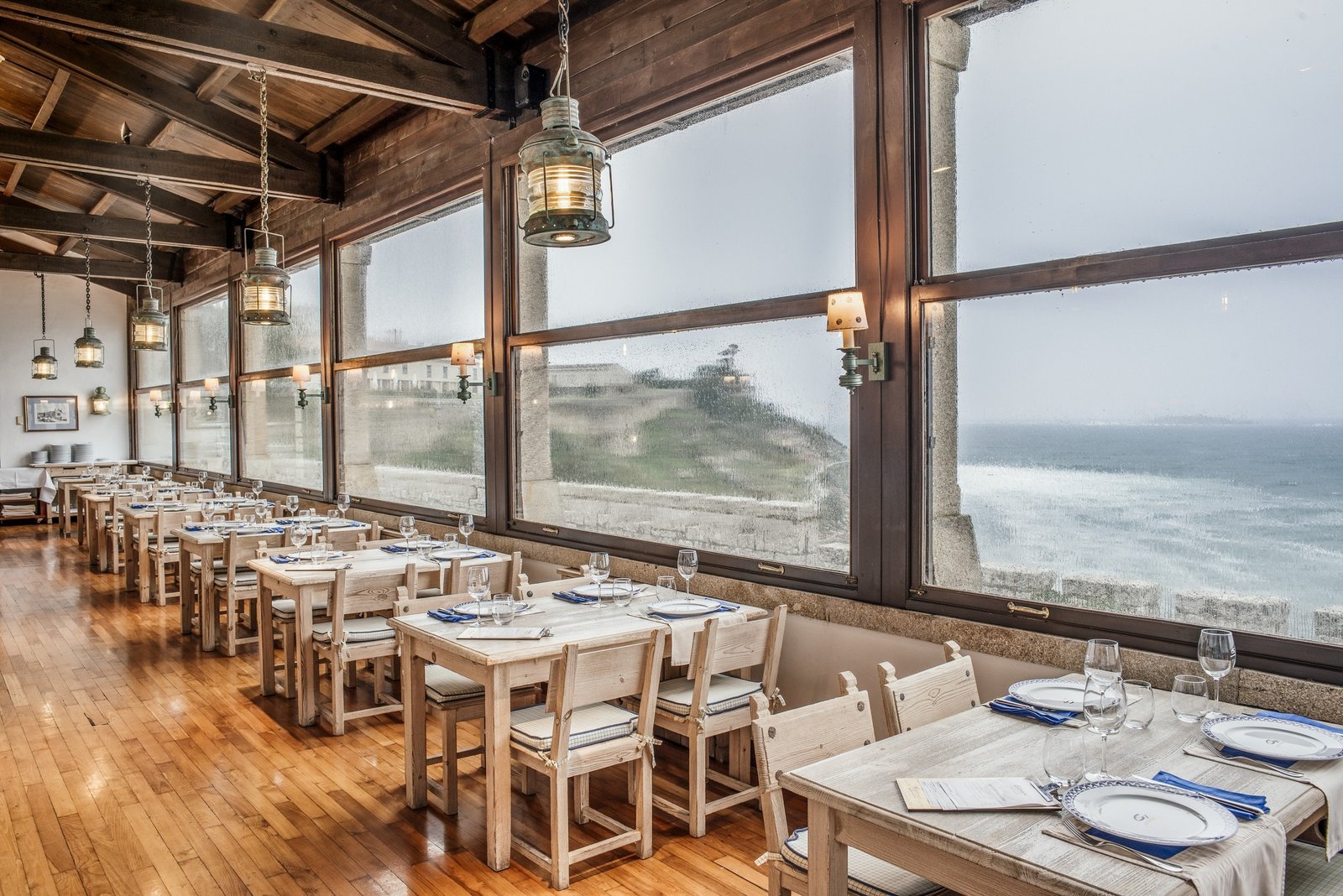
The Cíes Islands, part of the Atlantic Islands National Park, are visible from Baiona. They are home to Playa de Rodas, known for its pale sand and clear water. Closer to the town, the beaches of Ribeira, Concheira and Barbeira have sheltered water, with sailing and other water sports available nearby.
From Baiona, visitors can also make day trips to Vigo, Tui, Pontevedra and northern Portugal.